
Clearwater Birth and Marriage Records
Pinellas County genealogy research unlocks family stories on Florida's Gulf Coast. The county separated from Hillsborough in 1912, making it one of Florida's newer counties. Clearwater serves as the county seat alongside St. Petersburg. Records include birth certificates, death documents, marriage licenses, and court files. The area grew rapidly as a winter retreat. Many families came from northern states. They built homes along the beaches. Local archives hold extensive records. The mild climate attracted visitors. Some stayed year-round. Others returned each winter. The county has a unique history. It combines old Florida charm with modern growth. Genealogy researchers find rich resources here. The records span over a century. They document family migrations and settlements.
Pinellas County Quick Facts
Pinellas County Clerk of Court Records
The Clerk of Court in Pinellas County maintains official records for genealogy research under Chapter 119 of the Florida Statutes. This office holds marriage licenses, court cases, and probate files dating back to 1912. You can visit the office in Clearwater to search records. Staff members help find historical documents. The office offers digital search options. The online system is user-friendly. You can search from home. This saves time and travel. Records are available to the public. Florida law ensures open access. The clerk protects original documents. Copies are made for researchers. Fees are reasonable. The office is modern and efficient. Staff understand genealogy research needs. They guide visitors to the right records. Plan your visit during business hours. Bring specific names and dates. This speeds up your search.
Marriage records before 1927 stay at the county level, while the state only holds records from June 6, 1927 forward under Chapter 382 of the Florida Statutes. For older marriage licenses, check with the Pinellas County Clerk directly. Probate records show how estates were settled and property divided among heirs. These files contain valuable family relationship details. Land deeds trace ownership through generations of Pinellas County residents. Court records reveal legal matters and family disputes. You may find divorce cases and adoption records. Civil suits name parties and witnesses. Criminal records show charges and outcomes. Each document adds pieces to your family puzzle. The county's online system allows remote searching. You can view many records from home. Some files require in-person visits. Staff can pull documents from storage. Older records may be on microfilm. The clerk's office has readers available. Digital images are clearer than old microfilm. Request copies of anything you find. Certified copies cost more than regular copies. Keep a research log of what you view. Note file numbers and locations. This helps if you need to return. The Pinellas County Clerk also maintains official records and recording services. You can access view records systems online. The recording services department handles property documents. They ensure proper filing of deeds and mortgages.
The Pinellas County Clerk of Court is at 315 Court Street, Clearwater, FL 33756. Call (727) 464-3341. Visit pinellasclerk.org for online access to official records.


Florida State Archives Genealogy Resources
The State Archives of Florida holds collections useful for Pinellas County genealogy research. Since the county formed in 1912, earlier records appear in Hillsborough County files. The archives collect state-level materials. They preserve documents from all counties. You will find unique resources there. The collections span Florida's history. Spanish colonial records are available. They predate American Florida. Confederate pension files list veterans. Many moved to Pinellas for health reasons. World War I service cards document military members. They show next of kin. Voter registration rolls track early residents. The 1867 rolls include freed slaves. The archives staff assists visitors. They know the collections well. Research rooms are open to the public. Bring identification to use materials.
Confederate Pension Applications provide family information about veterans who lived in the region before Pinellas separated from Hillsborough. Many ex-Confederates sought Florida's mild climate. They suffered from war wounds. The warm weather eased their pain. Pension files list wives and children. They show when veterans died. Widows continued receiving benefits. These records name birthplaces and parents. You may find marriage information. Some files contain correspondence. Families wrote to officials. They explained their needs. The letters reveal family dynamics. Spanish Land Grants show original property owners from 1821. These trace to Spanish colonial days. Few settlers lived in the area then. The land was mostly wilderness. World War I Service Cards document military service. Voter Registration Rolls from 1867-68 include early residents. These records help trace families through multiple generations. You can follow lines back decades. The archives also hold county histories. These provide context for your research. Understanding the era helps interpret records. Social history enriches genealogy.
Researchers should check Hillsborough County records for pre-1912 ancestors. Pinellas was part of Hillsborough before separation. Early records remain there.
Visit the State Archives of Florida in Tallahassee. Call (850) 245-6700. Search online catalogs to plan your research. Archives staff can help locate materials.
Bureau of Vital Statistics for Pinellas County
The Florida Bureau of Vital Statistics keeps birth and death records for Pinellas County under Chapter 382 of the Florida Statutes. Birth records start from 1917. Death records go back further. You can order certified copies. The Bureau maintains state-level records. All Florida counties report to them. Pinellas County records are included. The state system began in 1917. Earlier records are spotty. Some counties kept good records. Others did not. Churches may fill gaps. The Bureau can search statewide. This helps when you are unsure of location. Fees apply for searches and copies. Turnaround varies with volume. Plan ahead for your research needs. Rush service is available for a fee.
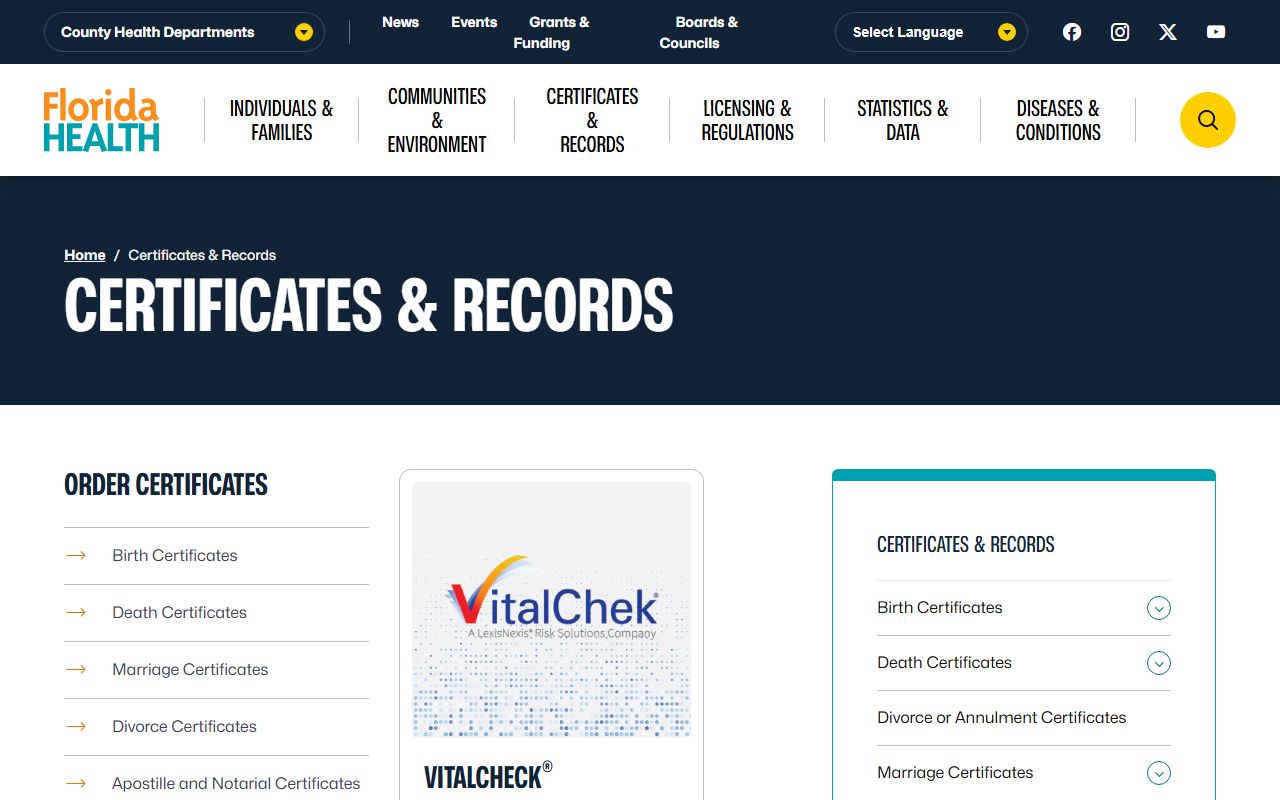
Birth records less than 125 years old remain confidential under Florida law. Access is limited to specific individuals with valid identification. You must prove your relationship. Parents can obtain children's records. Adult children can get parents' records. Spouses need marriage certificates. Legal guardians need court orders. Death records have fewer restrictions. The fact of death is public. Cause of death stays private for 50 years. State marriage records cover June 6, 1927 to present. Earlier marriages are at county clerk offices. Death records without cause of death are public. The cause stays private for 50 years. Order through VitalChek. The Bureau is at 1217 N. Pearl Street, Jacksonville. Call 877-550-7330. Mail orders take several weeks. Include proof of identity. Send payment by check or money order. VitalChek handles credit card orders. Phone orders go through VitalChek only. The Bureau does not take phone orders directly. All requests need written documentation. This protects against identity theft. It ensures records go to proper parties.
Pinellas County Genealogy Research Tips
Start your Pinellas County genealogy search with family information. Gather names and dates from home sources. Interview older relatives. Record their memories. Family stories contain clues. They lead to official records. Collect photos and documents. Check for family Bibles. They list births and deaths. Old letters may have details. Organize your findings. Use a consistent system. Keep track of sources. Note where you found each fact. This saves time later. Census records are key for this area. Federal census coverage began in 1910 for the county. Look for neighbors with the same surname. Families often settled near each other. Census records show occupation and birthplace.
Newspapers provide additional details. The St. Petersburg Times covered local news. It started in the 1880s. Obituaries list survivors. They give funeral information. Wedding announcements describe events. They name attendants and families. Local columns mention visitors. These show social connections. Birth notices announce arrivals. Newspapers are on microfilm. The State Library has many Florida papers. Some are online and searchable. Check archives regularly. New content is added often. You may find unexpected stories. Old newspapers reported freely. They included personal details. This helps modern researchers. Language changes over time. Read carefully for meaning. Terms had different uses then.
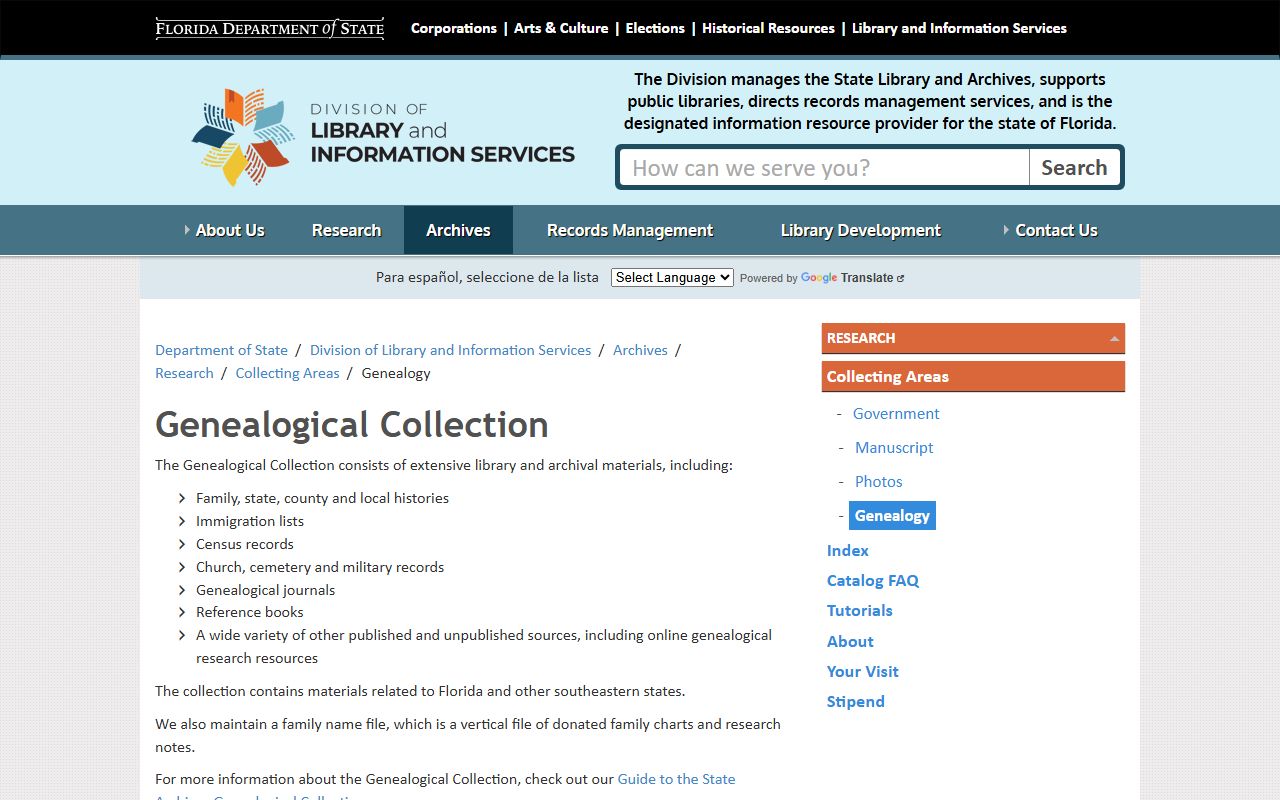
Visit the State Library Genealogy Page for more resources. The library has databases to help research. These tools connect Pinellas County ancestors to wider networks.
Good organization helps your search succeed. Keep research logs. Document each step. Share with family members. They may have clues. Join genealogy societies. The Florida State Genealogical Society offers help. Local groups know the area. They suggest overlooked sources. Network with other researchers. They may research the same lines. Collaboration speeds up work. Always cite your sources. This adds credibility. It helps others verify your work. Good research stands on solid documentation.
Nearby Counties for Genealogy Research
These counties border Pinellas County. Your ancestors may have lived in or moved to these areas.