
Doral Family History Lookup
Doral genealogy connects families to Miami-Dade County's newest city. Incorporated in 2003, this community grew rapidly from dairy farms and citrus groves. Its name honors the Doris and Alfred Kaskel family, who developed the area. Today Doral stands as a thriving business and residential center. Researchers here trace roots through Miami-Dade County records rather than city archives. The area's brief municipal history means family stories extend beyond city boundaries. Most records exist at the county and state levels. You will need to search broader databases for results. County offices hold the key documents. State archives provide additional resources for family historians.
Doral Quick Facts
Miami-Dade Library Genealogy Access
The Miami-Dade Public Library System serves Doral residents with extensive genealogy resources. The Main Library at 101 W. Flagler Street houses the largest collection. This facility provides access to major databases and research tools. Branch libraries throughout the county offer additional services. You can start your search at any location. Staff members provide guidance for beginners. Reference librarians know the collections well. They can help you navigate complex databases.
Genealogy databases include Ancestry Library Edition for in-library use. This resource covers census records from 1790 through 1950. Military service records and immigration files are included. HeritageQuest Online offers remote access with a library card. These tools help trace families who settled in South Florida. You can search millions of names in minutes. Results often reveal surprising connections. Many researchers discover new family branches. These databases provide access to records from across the nation and around the world.
Florida history materials support regional research at the library. The library holds books on Miami-Dade County development. You can find works on the Everglades and early settlers. The collection includes materials on Cuban and Latin American immigration. These resources reflect the diverse heritage of Doral families. Maps show how the area changed over decades. Photos capture moments from local history. Documents reveal how communities formed. The Florida collection spans from territorial days through modern development.
Newspaper archives document South Florida history extensively. The library maintains the Miami Herald and earlier papers. Some issues date to the late 1800s. Obituaries and wedding announcements fill these pages. Social news columns track community events. Such details help build family narratives. You might find your ancestors mentioned in local news. Small stories often contain big clues. Newspaper research requires patience but yields rich rewards for dedicated genealogists.
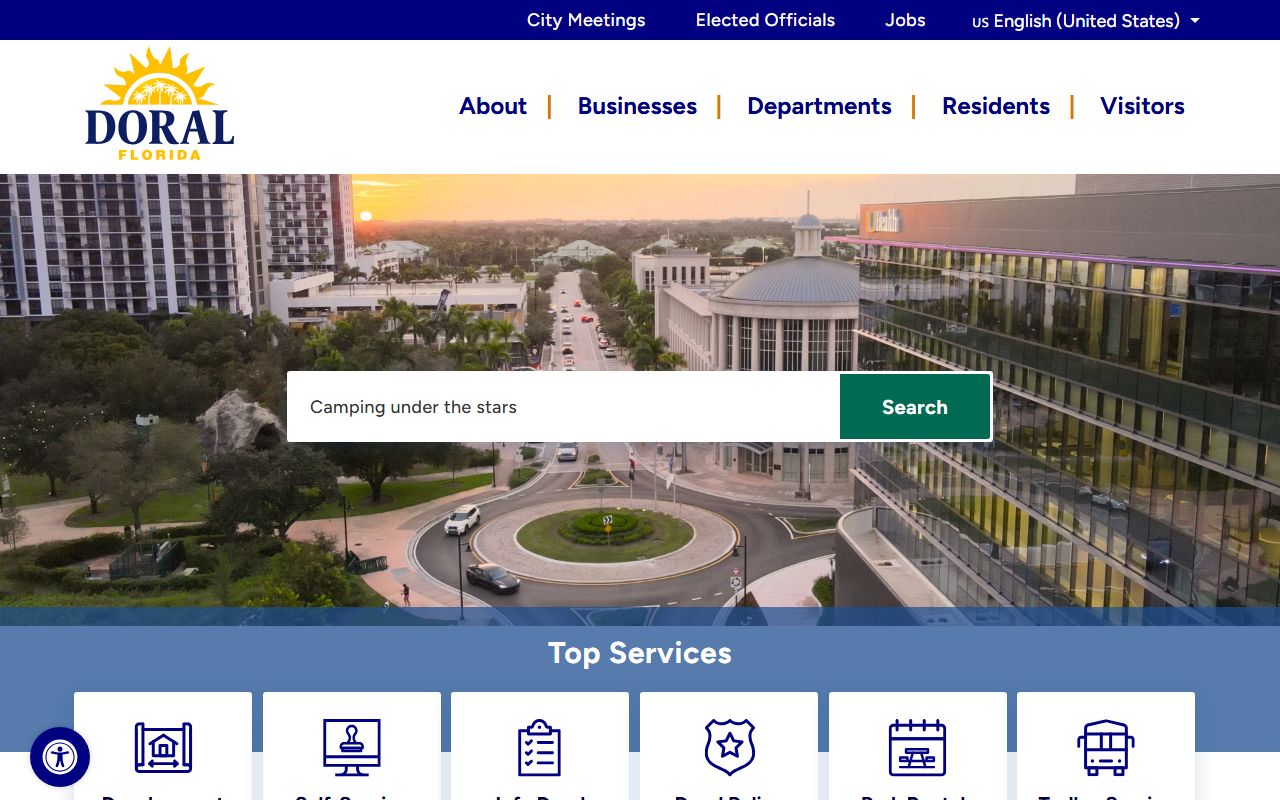
Doral Area Historical Development
Doral's history as a city is brief but its land has deeper roots. The area was once part of the Everglades watershed. Drainage projects in the early 1900s made agriculture possible. Dairy farms and citrus groves dominated the landscape for decades. The Kaskel family purchased land here in the 1960s. Their vision shaped the modern community. Development came slowly at first.
The Doral Country Club opened in 1962. It brought golf and tourism to the area. Residential development followed slowly at first. The 1990s saw rapid growth as Miami expanded westward. Doral incorporated in 2003 to control this growth. City records began at that time. Earlier history exists in county files.
Family researchers look to Miami-Dade County records for Doral history. Property deeds trace land from agricultural use to development. Census records show population growth across decades. School records document the education of local children. All these sources predate the city's incorporation. You must search county archives for older documents. State records may also hold clues. Federal census records track growth patterns.
Miami-Dade County Records Access
The Miami-Dade County Clerk of Courts maintains records for Doral genealogy. The clerk's office is at 73 W. Flagler Street in Miami. This location houses court files, property deeds, and marriage licenses. Chapter 119 of Florida Statutes governs public access to these records. You can visit during regular business hours. Online search tools offer remote access to some files. Certified copies require payment of fees. Staff members assist with record location.
Marriage licenses document unions from 1887 to the present. Each record names the bride and groom. Ages and birthplaces appear on these documents. Some list parents or previous marriages. These details help establish family connections. The clerk offers online search tools for recent records. Older documents may require an in-person visit. Fees apply for certified copies. These records often reveal maiden names. Marriage records connect branches of family trees.
Property deeds trace land ownership through Doral's transformation. Early parcels were used for dairy operations and citrus farming. Later development brought homes and businesses. Deeds name buyers and sellers across generations. They sometimes reveal married names of daughters. You can follow a family's property through many decades of change. These papers tell stories of growth and change. Land records connect family generations.
Probate records provide insights into family life and inheritance. When Miami-Dade residents died, their estates passed through court. Files name heirs and their relationships to the deceased. Wills list children and grandchildren. Estate inventories describe household goods and land holdings. These records show how families lived at different times. They reveal what people valued most. Probate files often contain surprises.
HistoryMiami Museum Archives
HistoryMiami Museum preserves South Florida's rich heritage. This Smithsonian affiliate sits at 101 W. Flagler Street. The museum maintains archives and collections for researchers. Staff assist with genealogy and local history questions. They know the collections well and can guide your search. Appointments are recommended for research visits. The museum offers educational programs year-round.
Photograph collections show Miami-Dade County through the decades. You can view images of early farms and settlements. The collection includes photos of development and growth. Suburban expansion appears in many historic pictures. These images may show ancestor homes or workplaces. Faces from the past look out from these snapshots. You might recognize family traits in these images. Visual records provide unique insights.
The museum holds maps and architectural drawings. These show how the county was planned and built. You can trace the development of neighborhoods. The maps show drainage projects and road construction. This helps you understand how the area grew. Transportation routes changed over time. Communities followed these paths. Maps reveal property boundaries clearly.
Florida State Archives Resources
The Florida State Archives holds many records for Miami-Dade County families. The archives collect materials from all sixty-seven counties. This includes the Doral area and all of South Florida. You can visit in Tallahassee or access online databases. The staff includes specialists in Florida genealogy. They can suggest sources you might have missed. Remote research saves travel time.
Vital records form a major collection at the state level. Death certificates from 1877 onward name the dead and their parents. They list causes of death and burial places. Birth records have privacy limits but older ones are open. Free online indexes help locate these documents. Chapter 382 of Florida Statutes controls access to birth records. Death records become public after fifty years. These documents prove family relationships.
Military service records help trace veterans from the area. Many Miami-Dade men served in America's wars. The archives hold service cards for twentieth century conflicts. These list units, dates, and family contacts. Such records prove relationships for genealogy work. They also show where ancestors served. Pension files add more details.
Florida Vital Records Office
The Florida Bureau of Vital Statistics maintains birth and death records. This office serves all Doral residents past and present. You can order copies for genealogy purposes. Access rules vary based on record age. Privacy laws protect living individuals.
Birth certificates less than one hundred years old are restricted from public access. Only the person named or their heirs may obtain copies. Death records under fifty years old have similar limits on access. After these periods, records become public documents. Fees apply to all orders regardless of age.
Visit the Florida Health website for ordering instructions and forms. The site explains identification requirements for applicants. It describes how to prove heirship if needed for restricted records. Staff can search for records when exact dates are unknown.
Florida State Genealogy Resources
State resources support Doral family history research. These official sources provide vital records and archival materials.
- State Archives of Florida - Official state archives with genealogical collections
- Florida Bureau of Vital Statistics - Birth, death, marriage, and divorce records
- Florida Genealogy Research Guide - State guide to genealogical research
These resources work with local collections for complete coverage.
Miami-Dade County Genealogy Records
Doral is part of Miami-Dade County. All official records for Doral families are kept at the county level. The Miami-Dade County Clerk of Courts maintains these files. Researchers should focus on county resources for this area.